Electrical & Ventilation
Is Your Bathroom Safe? Electrical Safety Tips for Bathrooms in GCC Homes
Bathroom electrical safety is critical in GCC homes where humidity and heat increase risks. Learn safe socket placement, IP ratings, ventilation tips, and essential protection measures.
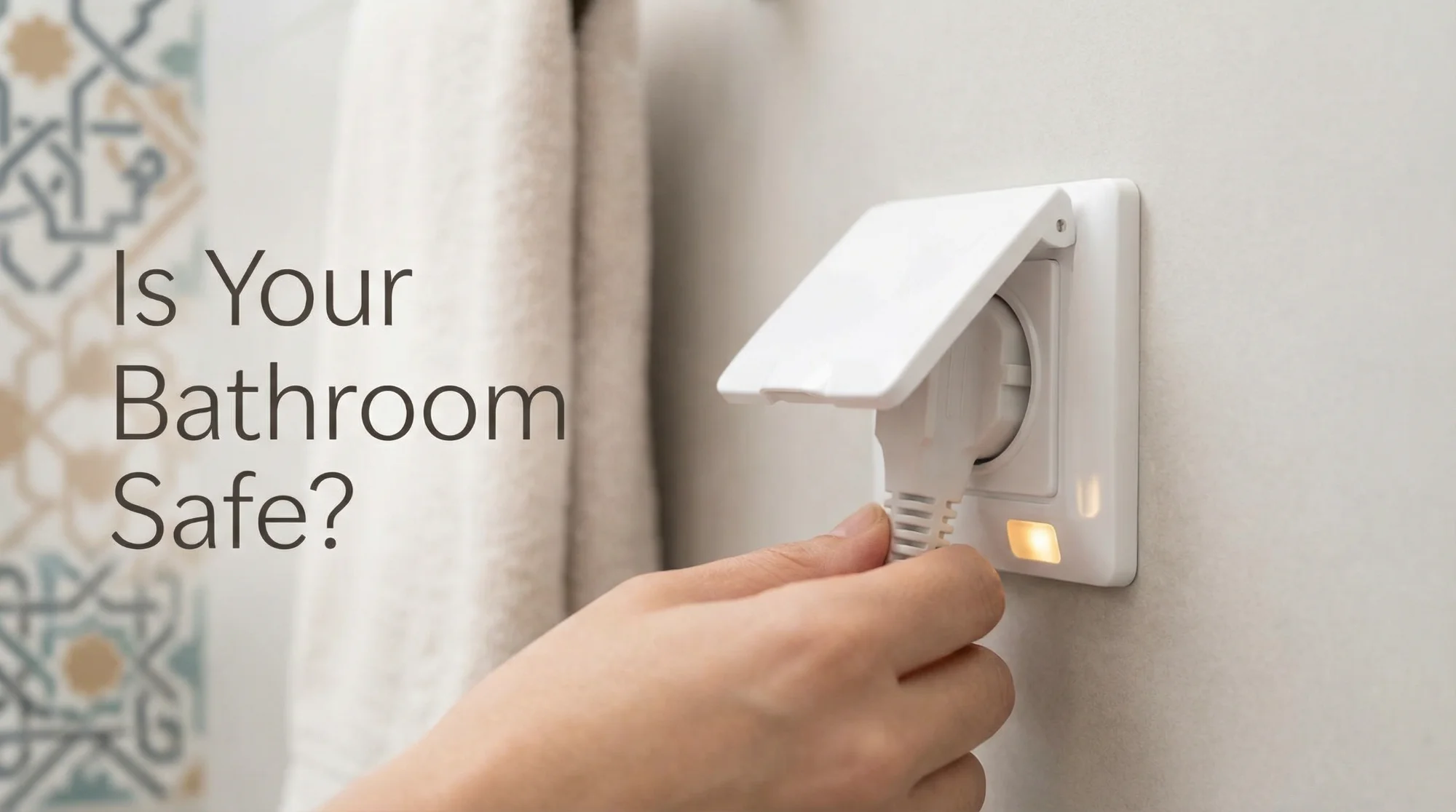
Bathrooms combine water, humidity, and electricity — a risky mix when not planned properly. In many GCC homes, electrical safety in bathrooms is often overlooked during construction or renovation. Poor socket placement, low-quality accessories, and improper ventilation can increase the risk of short circuits, corrosion, and long-term damage.
Here’s what homeowners should know to ensure bathroom electrical safety.
1. Respect Bathroom Safety Zones
Electrical fixtures in bathrooms must follow safe distance guidelines from water sources.
General safety principles:
Avoid placing sockets directly beside showers or bathtubs
Keep switches outside wet areas whenever possible
Install grooming sockets at safe distances from wash basins
Use protected accessories in moisture-prone zones
Incorrect placement is one of the most common safety mistakes.
2. Use IP-Rated Electrical Accessories
Bathrooms in GCC homes experience high humidity, especially in villas with limited ventilation.
What to look for:
IP-rated switches and sockets (moisture resistant)
Sealed internal components
Splash-proof or covered socket options where necessary
IP-rated accessories reduce the risk of moisture-related electrical faults.
3. Install Residual Current Devices (RCD)
An RCD is a critical safety component that cuts power instantly if leakage is detected.
Why it matters:
Prevents electric shock
Detects fault currents quickly
Essential for wet environments
Bathrooms should always be connected through RCD-protected circuits.
4. Proper Exhaust Fan Installation Reduces Electrical Risk
Moisture buildup accelerates corrosion inside switches and wiring.
Benefits of proper ventilation:
Reduces condensation
Protects internal wiring
Extends lifespan of electrical accessories
Minimizes mold growth
Bathrooms without exhaust fans face higher humidity stress on electrical components.
5. Avoid Overloading Bathroom Circuits
Hair dryers, water heaters, and grooming appliances draw significant power.
Safe planning includes:
Dedicated circuits for water heaters
Correct load-rated sockets
Avoiding multi-plug extensions in bathrooms
Proper wire gauge installation
Overloading is a hidden risk in poorly planned bathrooms.
6. Switch & Socket Placement Best Practices
Thoughtful placement improves both safety and convenience.
Recommended approach:
Install main water heater switch outside bathroom
Keep socket near mirror but outside splash zones
Use elevated switch placement for better safety
Ensure clear access for maintenance
Placement decisions should be made before tiling.
7. Common Electrical Mistakes in GCC Bathrooms
Installing standard sockets too close to water
Ignoring IP rating requirements
Using low-quality accessories
Skipping RCD protection
Poor ventilation causing corrosion
These issues may not show immediately but can create long-term safety concerns.
Final Thought
Bathroom electrical safety is not just about compliance — it protects both property and people. In GCC homes, where humidity and heat are common, choosing moisture-resistant accessories, planning safe socket placement, and ensuring proper ventilation are essential steps. A safe bathroom design combines careful electrical planning with durable components that withstand daily exposure to moisture.
Keep reading
More from the blog
How Many Switches & Sockets Does a Modern Home Really Need? (Room-by-Room Planning Guide)
Not having enough switches and sockets leads to messy wiring and inconvenience. This room-by-room guide explains how to plan electrical points for modern homes effectively.
How to Choose Switches, Sockets & Exhaust Fans for Modern Homes (Safety, Design & Ventilation Guide)
Switches, sockets, and exhaust fans impact home safety, comfort, and ventilation. This guide explains how to choose durable electrical accessories with proper placement and design for modern homes.
The Future of Toilets: How Smart Technology Is Changing Bathrooms
Smart toilets are transforming modern bathrooms with automation, hygiene features, and advanced technology. Explore how toilet design is evolving and what the future holds.