Trends & Innovation
The Future of Toilets: How Smart Technology Is Changing Bathrooms
Smart toilets are transforming modern bathrooms with automation, hygiene features, and advanced technology. Explore how toilet design is evolving and what the future holds.
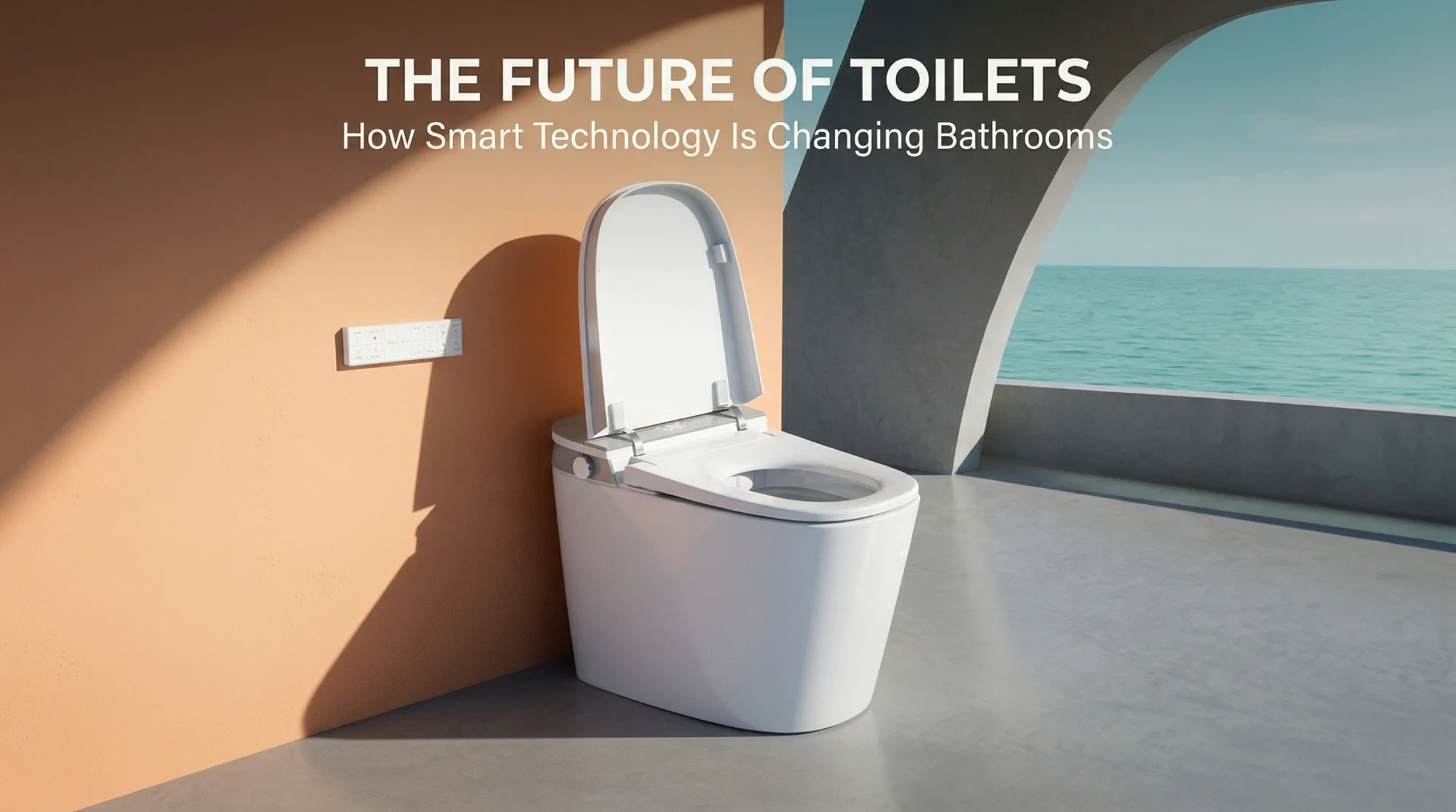
Bathrooms are no longer just functional spaces. As technology continues to enter everyday living, even basic fixtures like toilets are evolving into smarter, more responsive systems designed for hygiene, comfort, and efficiency.
What was once considered a luxury is now becoming a practical upgrade in modern homes.
From Basic Fixtures to Intelligent Systems
Traditional toilets have remained largely unchanged for decades. Their function has been simple — flush and reset.
Smart toilets are changing that by introducing automation and user-focused features that improve daily experience. Instead of being a passive fixture, the toilet becomes an active part of the bathroom environment.
Key Features Driving This Shift
Smart toilets are designed to solve common issues related to hygiene, comfort, and convenience.
Some of the most relevant features include:
Built-in wash functions with adjustable pressure
Automatic flushing systems
Heated seating for comfort
Warm air drying
Self-cleaning nozzles
Night lighting for better visibility
Touchless operation
These features reduce manual effort and improve consistency in daily use.
Why Smart Toilets Are Gaining Popularity
1. Hygiene as a Priority
Users are increasingly focused on hygiene. Integrated wash systems provide a more controlled and effective cleaning method compared to traditional approaches.
2. Shift Toward Touchless Living
Touchless technology is becoming common across homes. Smart toilets reduce the need for physical contact, improving cleanliness and ease of use.
3. Convenience in Daily Routine
Automation simplifies everyday actions. Features like auto flush and adjustable settings remove the need for repeated manual adjustments.
4. Integration With Modern Bathroom Design
Smart toilets align with modern bathroom concepts where functionality and technology are combined seamlessly.
Are Smart Toilets Practical for Everyday Homes?
Smart toilets are becoming more practical, but adoption depends on planning.
They are most suitable for:
new home construction
villa bathrooms
renovation projects with electrical planning
users prioritizing hygiene and comfort
Proper installation and compatibility are important to ensure smooth performance.
What Needs to Be Considered Before Installation
Electrical Requirements
Smart toilets require a nearby power source. Planning electrical points in advance is essential.
Water Pressure and Plumbing
Performance depends on stable water flow. Compatibility with the home’s system should be checked.
Space and Layout
Not all bathrooms are designed for smart fixtures. Space planning helps avoid installation issues.
Maintenance and Support
Like any advanced fixture, access to service and spare parts is important for long-term use.
Common Misconceptions
“Smart toilets are complicated to use”
Most models are designed with simple controls and user-friendly interfaces.
“They require high maintenance”
Modern designs focus on self-cleaning and easy upkeep.
“They consume too much energy”
Most systems are energy-efficient and optimized for minimal usage.
Where Bathroom Technology Is Heading
The shift toward smart toilets is part of a larger trend where bathrooms are becoming more integrated with technology.
Future developments may include:
personalized user settings
improved water efficiency systems
smarter sensors and automation
better integration with home systems
As technology continues to evolve, bathrooms are becoming more adaptive and user-focused.
Final Thought
The role of the toilet is changing from a basic necessity to a smarter, more functional part of the home. Smart technology is not just adding features — it is improving how the bathroom is experienced daily. As adoption grows, smart toilets are likely to become a standard consideration in modern bathroom planning rather than an optional upgrade.
Keep reading
More from the blog
10 Questions to Ask Before Buying Bathroom Fixtures (Most People Miss These)
Before buying bathroom fixtures, ask these 10 important questions to avoid common mistakes related to pressure, materials, installation, and long-term performance.
Shattaf Pressure Problems? Here’s Why It Happens and How to Fix It
Facing weak or inconsistent shattaf pressure? Learn the real reasons behind spray issues and how to fix them properly without replacing the whole set.
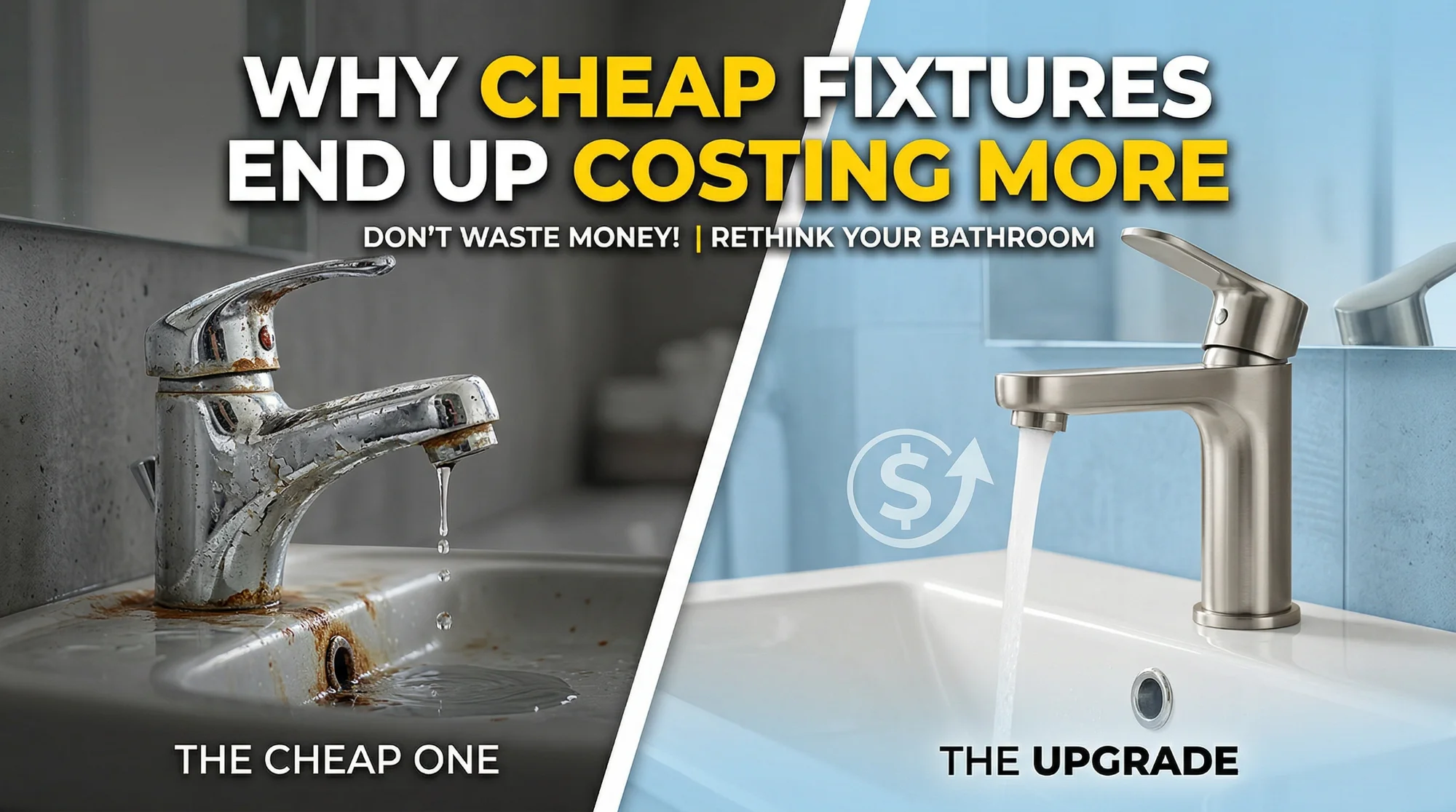
Why Cheap Bathroom Fixtures End Up Costing More (Real Cost Breakdown)
Cheap bathroom fixtures may save money upfront, but often cost more over time. Here’s a real breakdown of durability, maintenance, and long-term value before you buy.