Maintenance & Problem Solving
Why Your Bathroom Still Smells After Cleaning (And How to Fix It Properly)
Bathroom still smells after cleaning? Learn the real causes like drain traps, ventilation, and plumbing issues — and how to fix them permanently.
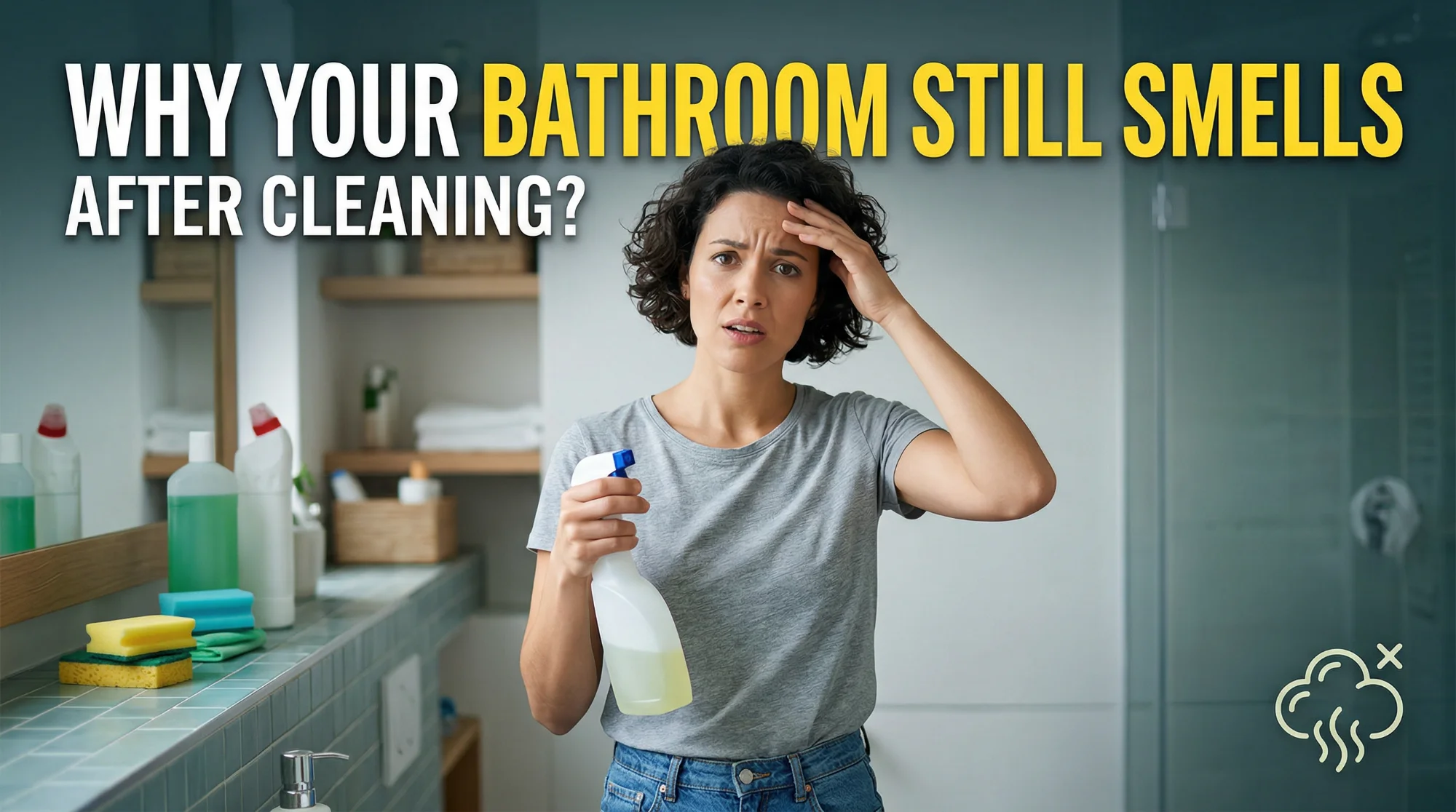
A clean-looking bathroom doesn’t always mean a fresh-smelling one. Many homeowners notice unpleasant odors even after regular cleaning. The problem is usually not surface dirt — it’s something deeper in the plumbing, ventilation, or fixture setup.
Understanding the real cause helps fix the issue permanently instead of masking it with air fresheners.
1. The Most Common Cause: Drain Trap Issues
Every bathroom drain should have a trap (U-shaped pipe) that holds water and blocks sewer gases.
Problems occur when:
The trap dries out due to infrequent use
The trap is poorly installed
There are leaks or cracks
Solution:
Run water regularly to refill the trap
Check for proper installation
Repair or replace damaged traps
2. Poor Ventilation and Humidity Build-Up
Bathrooms without proper airflow trap moisture and odors inside.
Signs of ventilation problems:
Persistent damp smell
Foggy mirrors for long periods
Mold or mildew on walls
Solution:
Install a properly sized exhaust fan
Keep ventilation running after showers
Improve airflow with windows or ducts
Good ventilation doesn’t just remove smell — it prevents it.
3. Hidden Dirt in Overflow and Hard-to-Reach Areas
Even when surfaces look clean, bacteria can build up in hidden areas.
Common hidden spots:
Basin overflow holes
Under the toilet rim
Shower drains
Pipe connections
Solution:
Clean overflow holes with disinfectant
Use proper toilet cleaning methods
Deep-clean drains regularly
4. Toilet Seal or Installation Problems
If the toilet is not sealed properly, sewer gases can escape.
Warning signs:
Smell strongest near the toilet base
Slight movement in the toilet
Water leakage around the base
Solution:
Reseal the toilet base
Check alignment with drain outlet
Ensure proper installation
5. Clogged or Dirty Drain Pipes
Hair, soap residue, and organic waste can build up inside pipes, causing odor.
What happens:
Slow drainage
Bacterial buildup
Persistent bad smell
Solution:
Use safe drain cleaners
Flush pipes regularly
Avoid dumping heavy residue into drains
6. Low-Quality Fixtures That Trap Dirt
Some fixtures are harder to clean due to poor design.
Examples:
Toilets with uneven flushing
Rough ceramic surfaces
Poorly designed drain covers
Solution:
Choose fixtures with smooth surfaces
Use efficient flushing systems
Ensure easy-clean design
7. Dry Floor Drains (Very Common)
Floor drains that are not used frequently can dry out, allowing odor to escape.
Fix:
Pour water into floor drains regularly
Use trap seal solutions if needed
Common Mistakes People Make
Using air fresheners instead of fixing the cause
Ignoring ventilation
Cleaning only visible surfaces
Not checking plumbing installation
Delaying maintenance
Final Thought
Bathroom odor is usually a plumbing or ventilation issue, not a cleaning problem. Identifying the root cause — whether it’s a dry trap, poor ventilation, or hidden buildup — allows you to fix the issue permanently. A properly planned bathroom with good ventilation, quality fixtures, and correct installation will stay fresh without constant effort.
Keep reading
More from the blog
Shattaf Pressure Problems? Here’s Why It Happens and How to Fix It
Facing weak or inconsistent shattaf pressure? Learn the real reasons behind spray issues and how to fix them properly without replacing the whole set.

The Future of Toilets: How Smart Technology Is Changing Bathrooms
Smart toilets are transforming modern bathrooms with automation, hygiene features, and advanced technology. Explore how toilet design is evolving and what the future holds.
10 Questions to Ask Before Buying Bathroom Fixtures (Most People Miss These)
Before buying bathroom fixtures, ask these 10 important questions to avoid common mistakes related to pressure, materials, installation, and long-term performance.