Showers
Shower systems explained: overhead, hand shower, mixer, and pressure
A shower can feel amazing or annoying every day. The difference is usually pressure + mixer + placement.
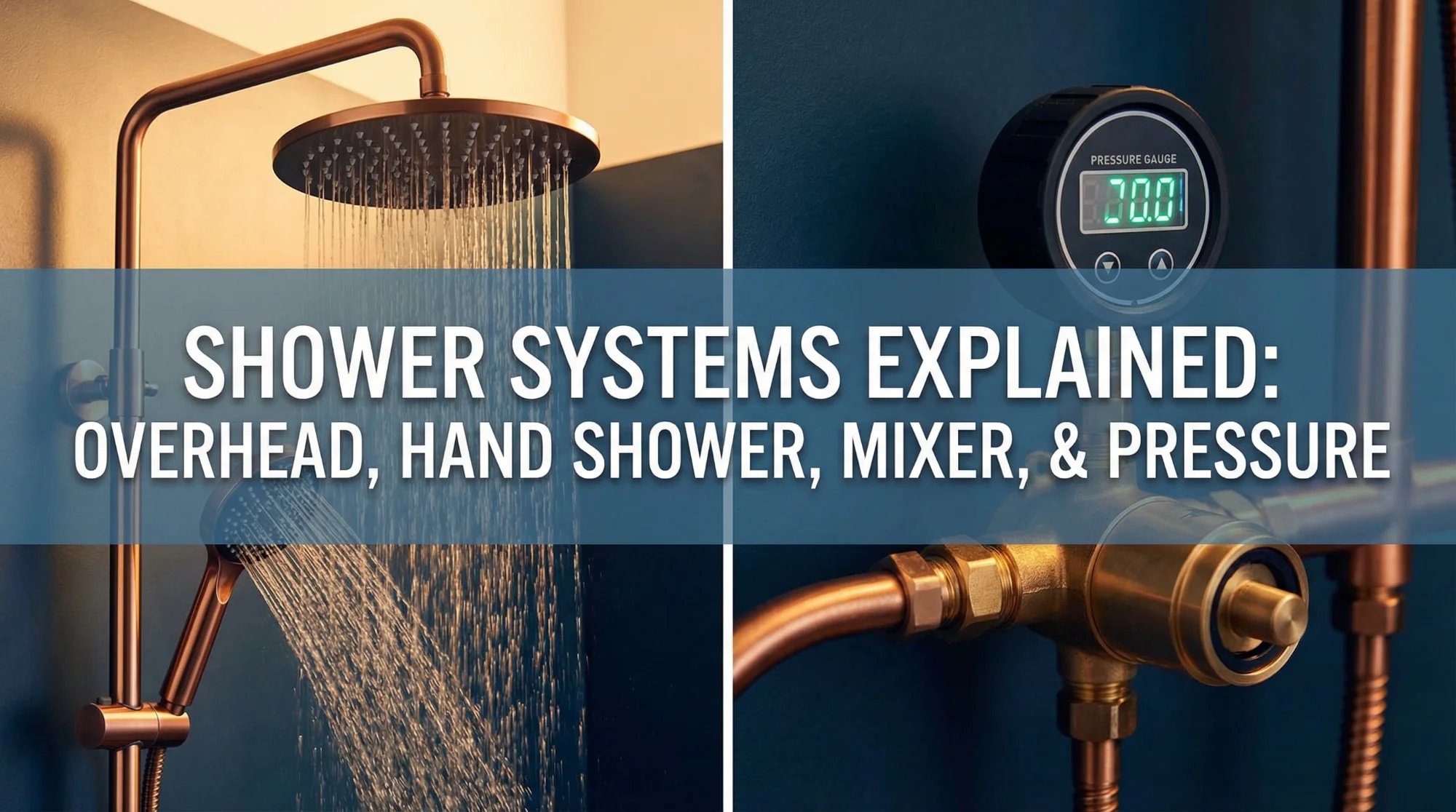
A Shower Can Feel Amazing or Annoying Every Day — The Difference Is Usually Pressure, Mixer & Placement
A shower is one of the most frequently used fixtures in any home, yet many people end up with frustrating experiences — weak flow, sudden temperature changes, or awkward positioning. In most cases, the problem isn’t the showerhead itself but the combination of water pressure, mixer quality, and installation placement.
Here’s what actually determines whether a shower feels comfortable or disappointing.
1. Water Pressure Sets the Foundation
No shower system performs well without stable water pressure. Even premium showerheads struggle when pressure is inconsistent.
Signs of pressure issues:
Weak spray despite open valve
Uneven water distribution
Sudden flow drops when other taps run
What to check before buying:
Home water pressure level
Tank height or pump availability
Compatibility of rain showers with pressure levels
Low-pressure homes often benefit from compact showerheads instead of oversized rain showers.
2. Mixer Quality Affects Comfort More Than You Think
The mixer controls temperature balance and water flow. A low-quality mixer leads to sudden hot-cold shifts, poor control, and long-term leakage.
Reliable mixer features include:
Smooth cartridge operation
Thermostatic control for stable temperature
Solid brass construction for durability
Precise flow adjustment
A good mixer ensures a consistent, stress-free shower experience every day.
3. Showerhead Type Should Match Usage & Pressure
Different showerheads create different experiences.
Common options:
Rain shower → relaxing but pressure-dependent
Hand shower → practical and flexible
Multi-function shower → varied spray modes
Combination systems → balance of comfort and utility
Choosing purely for aesthetics often leads to performance compromise.
4. Placement & Height Make a Big Difference
Even with good pressure and mixers, poor installation positioning can ruin usability.
Placement tips:
Showerhead height should suit the tallest user
Hand shower bracket should allow comfortable reach
Controls should be reachable without standing under water
Rain showers need proper ceiling clearance
Small adjustments in placement significantly improve daily comfort.
5. Pipe Size & Installation Quality Matter
Restricted pipe diameter or poor installation reduces flow and creates pressure drops.
Watch for:
Proper pipe sizing for rain showers
Minimal sharp pipe bends
Quality concealed installation components
Correct alignment of diverters and outlets
A well-installed system performs better regardless of price range.
6. Budget Priorities That Improve Shower Experience
💰 Spend On:
Mixer quality and cartridge reliability
Proper plumbing installation
Durable showerhead materials
Pressure-compatible shower systems
💸 Save On:
Overly complex multi-jet panels rarely used
Decorative finishes that don’t affect performance
Large rain showers in low-pressure setups
7. Common Shower Planning Mistakes
Installing rain showers without checking pressure
Choosing cheap mixers that fail quickly
Poor control placement leading to discomfort
Ignoring pipe sizing during renovation
Prioritizing design over functionality
Final Thought
A great shower experience isn’t about luxury features — it’s about balance. Stable water pressure, a reliable mixer, and thoughtful placement determine whether a shower feels relaxing or frustrating. When these fundamentals are planned correctly, even simple shower setups can deliver daily comfort and performance.
Keep reading
More from the blog

The Future of Toilets: How Smart Technology Is Changing Bathrooms
Smart toilets are transforming modern bathrooms with automation, hygiene features, and advanced technology. Explore how toilet design is evolving and what the future holds.
10 Questions to Ask Before Buying Bathroom Fixtures (Most People Miss These)
Before buying bathroom fixtures, ask these 10 important questions to avoid common mistakes related to pressure, materials, installation, and long-term performance.
Shattaf Pressure Problems? Here’s Why It Happens and How to Fix It
Facing weak or inconsistent shattaf pressure? Learn the real reasons behind spray issues and how to fix them properly without replacing the whole set.